GOOOAAAAALLLLLLS!
...for reading

A quick note/reminder that if you’re interested in buying any of the books pictured or mentioned in this post, to consider doing so through my Bookshop link, which will give me a small cut of the purchase. If every Read Everything subscriber buys 10 billion books each, I will become the next trillionaire.
Oh you thought this was gonna be a post about the World Cup? NOPE. We’re talking books, pal. And goals for ‘em.
My reading goals are about variety more than quantity (give yourself enough variety and you’ll end up with quantity anyway). That means genre variety, of course, but also stuff like: read a book recommended by a friend; read a book written by a former teacher; read a book longer than 500 pages; read books from three different centuries and 10 different decades. Etcetera. I have 24 of these kinds of goals. One of my favorites has been (apologies for the flex here) reading books my friends wrote.
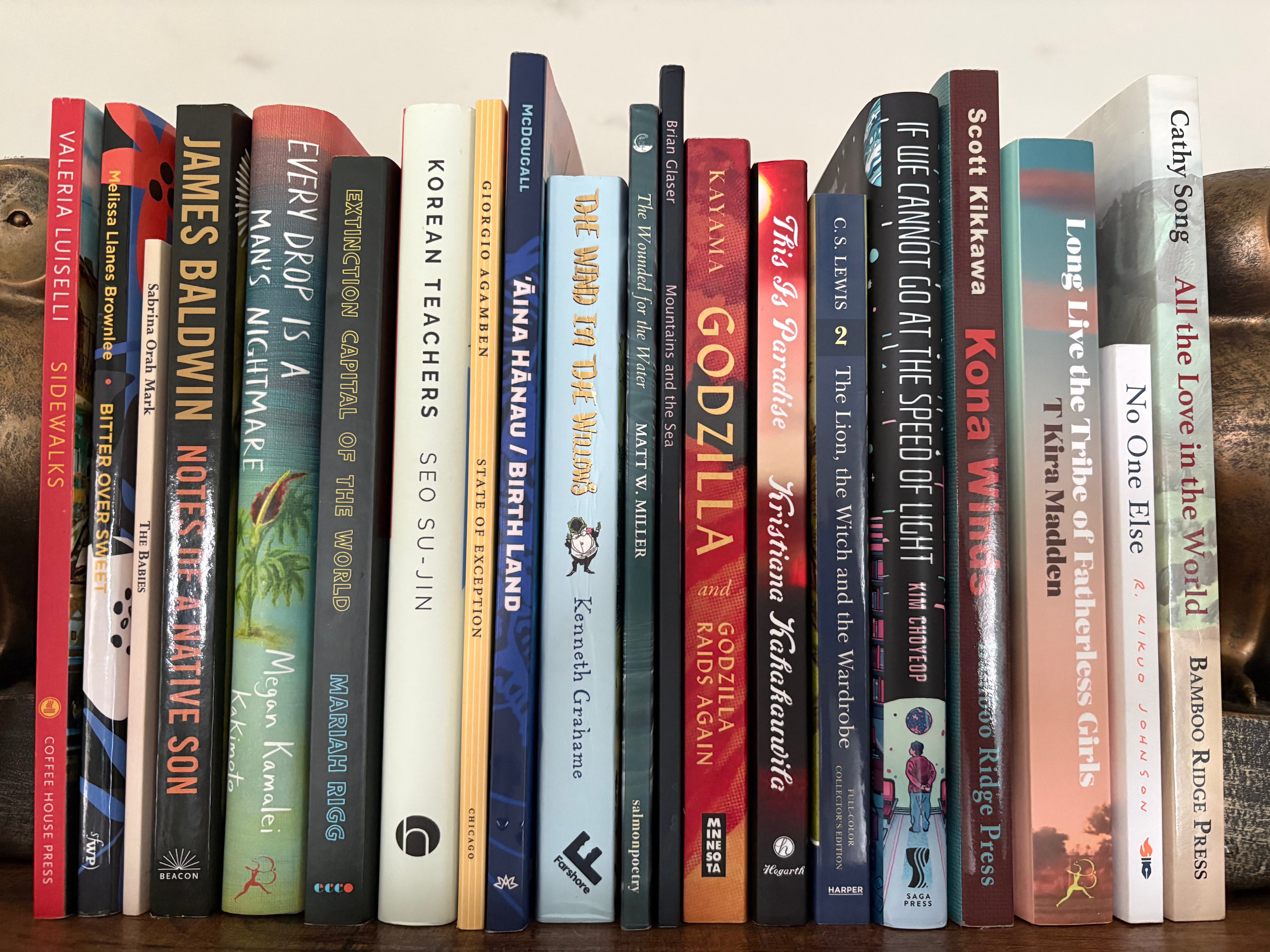
One of my goals this year was to read a short story collection from a female Hawaiʻi writer every month. I had been meaning to read Every Drop Is A Man’s Nightmare by Megan Kamalei Kakimoto since it came out to substantial (and deserved) critical acclaim a few years ago, same with last year’s Extinction Capital of the World by Mariah Rigg, and had wanted to re-read my favorite Hawaiʻi book This Is Paradise by Kristiana Kahakauwila, and…the idea kind of just presented itself.
On top of those three I read Bitter Over Sweet by Melissa Llanes Brownlee — a beautiful and longing mosaic of island life through flash fiction — and All the Love in the World by Cathy Song, a quietly masterful collection focusing on three generations of a local family, from plantation days to the 21st century. April being poetry month, I instead went with ʻAina Hanau Birthland by Brandy Nalani McDougall, a powerful collection of poems about identity, community, and how both of those are negotiated through the natural world.
I plan on making a wahine short fiction syllabus at the end of the year (and next year will do the same for story collections from local braddahs, so hit me with any recs you got.)
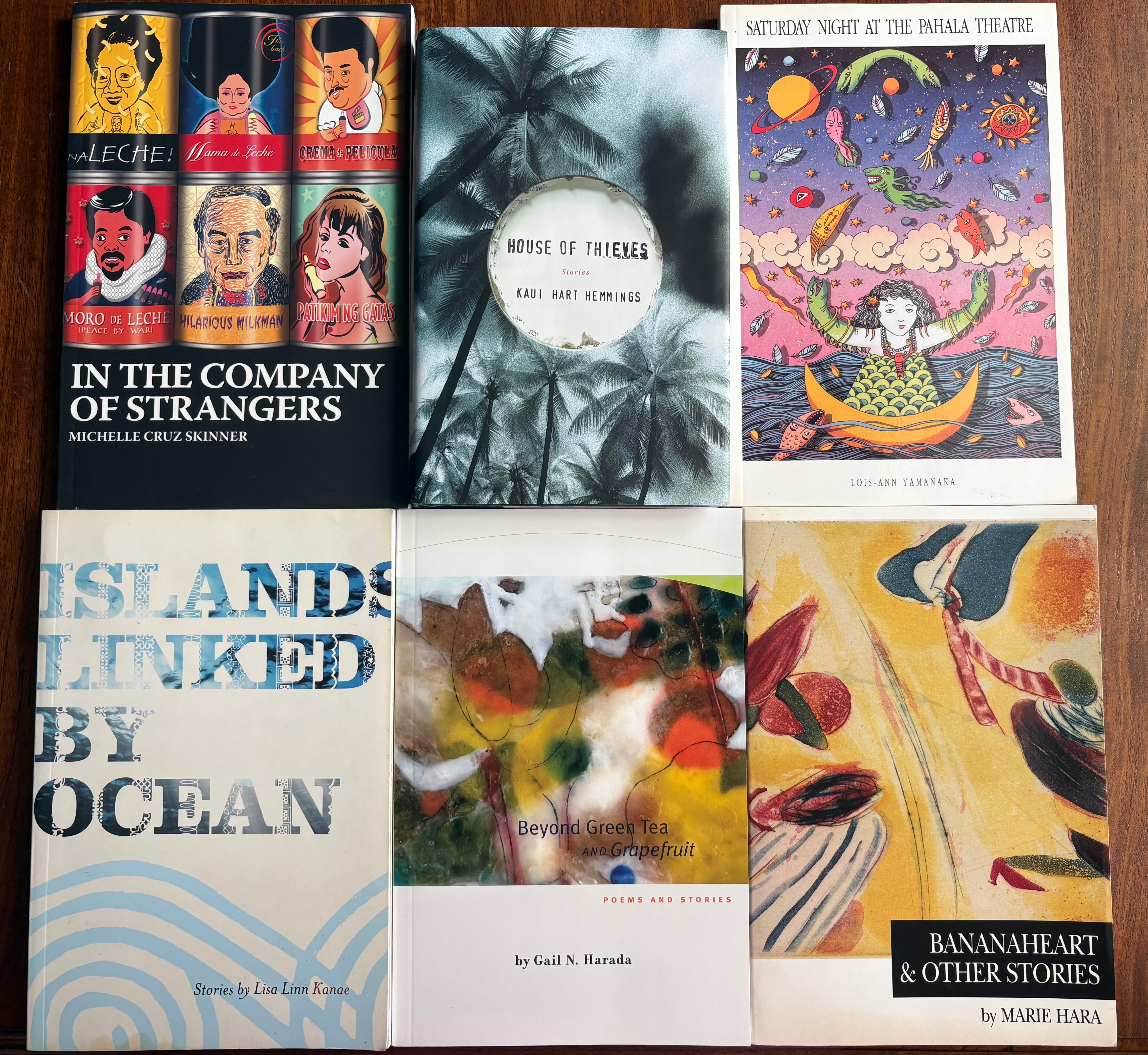
So why am I gendering this challenge/theme whatever it is? And why am I (mostly) focusing on short stories? No real reason! I just enjoy the process of pushing myself, and as it relates to reading, that means making myself read books I otherwise may not. I’m certain that I would’ve read the initial three collections I mentioned earlier, but by extending it to a monthly challenge for the year, it forced me to find and read books I probably would have overlooked. It’s almost like constraints push you to new limits, someone tell the poets.
When friends or students tell me they don’t like reading, my response is often that books are like muffins: there’s a kind out there for everyone, you just have to try them to see if you like them. (Any food will do for this analogy, I’m not sure why I use muffins but it’s my habit now.) I read enough to know what I like already, and making room for those books is no problem. But if I never read, say, an adult fantasy novel, I’ll never know if I’ll like it or not!
Reading is many things, but chief among them for me is exploration.
What I’ve Been Up To
A few things I’ve done in the last few months (don’t count) since the last post:
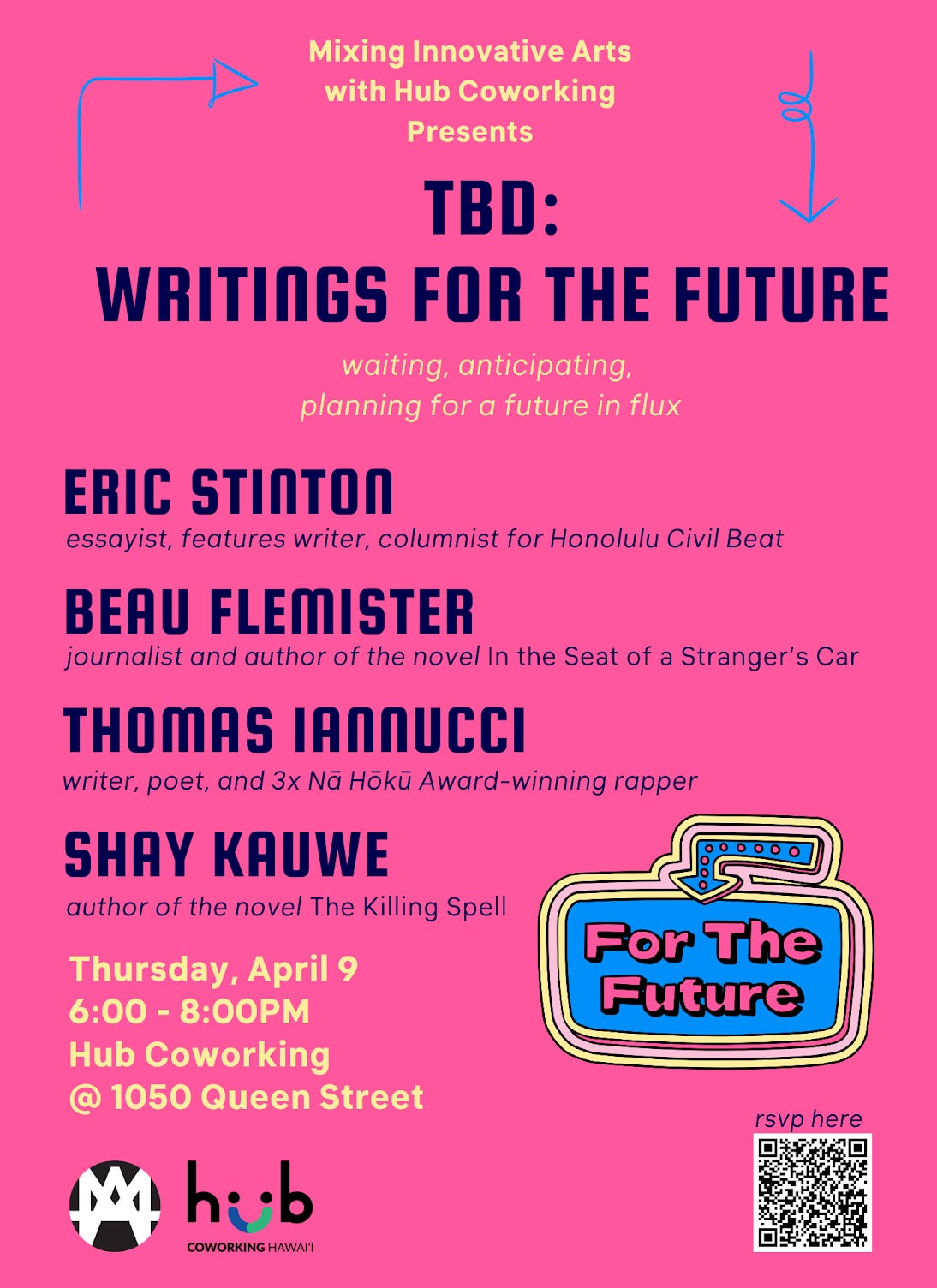
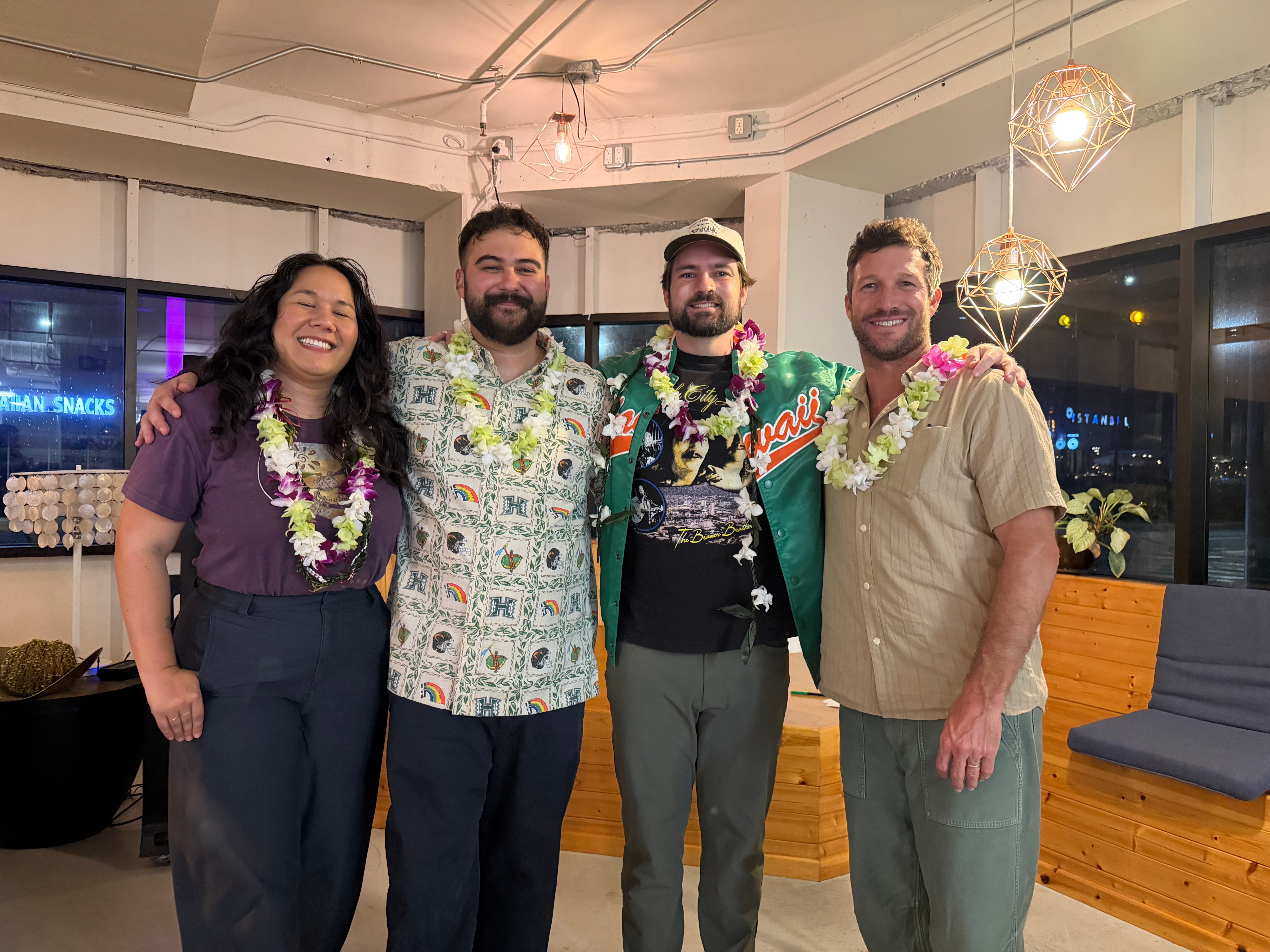
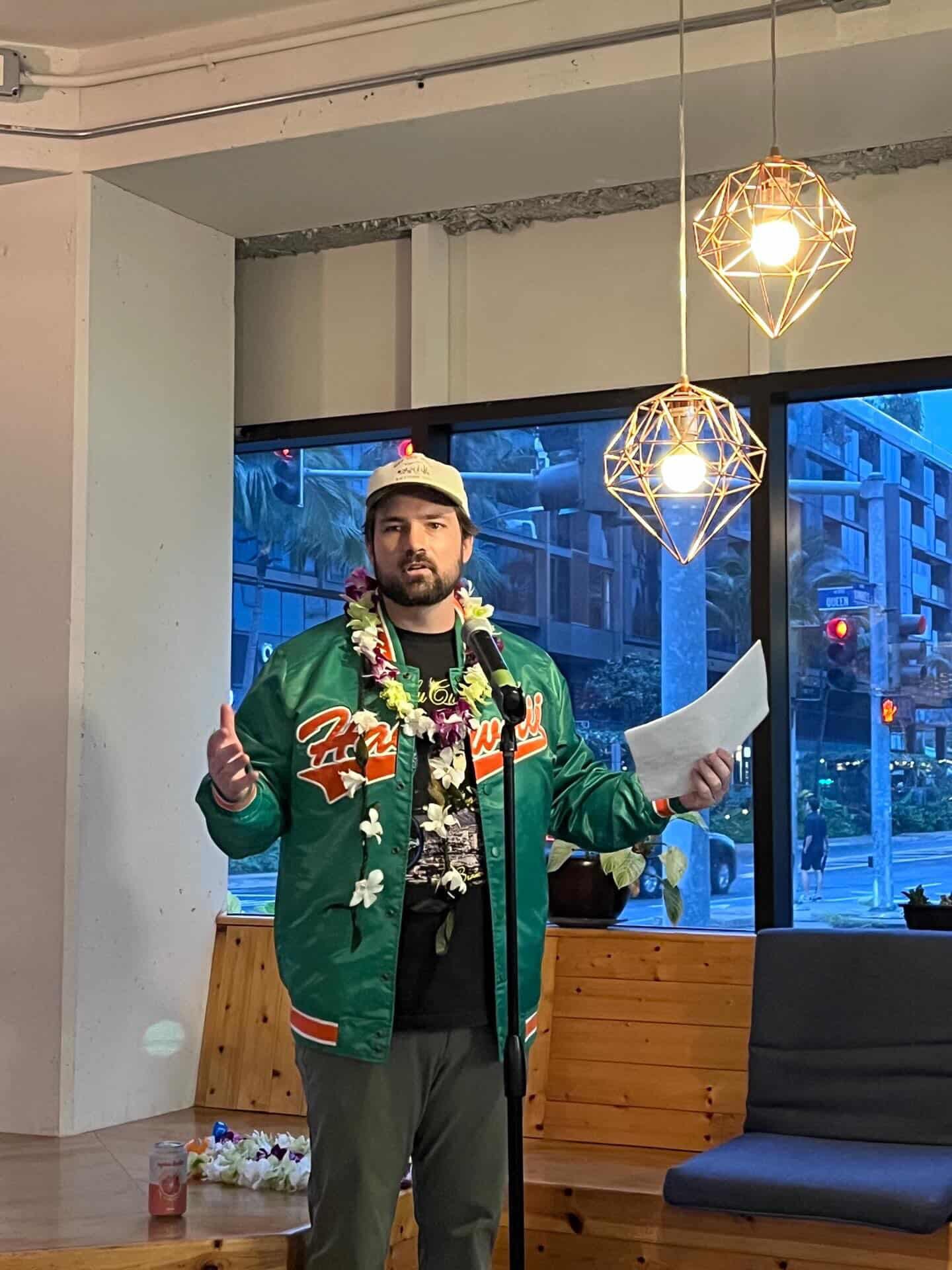
I read alongside some of my friends and favorite Hawaiʻi writers in April. I read my most recently published essay.
I was also on the Bang-Bang Podcast with Van Jackson and Lyle Jeremy Rubin talking the politics of Predator, one of my favorite movies, and a surprisingly relevant film nearly 40 years later (of its 7-member main cast, two of the actors became governors, and another one ran for governor before getting booted from the libertarian party for being too pro-genocide). I’m not sure if the film is a meme of our political era, or the Current Moment is a meme version of the film’s politics. Either way, there’s a lot more going on in this movie beneath its big, beautiful, bulbous biceps.
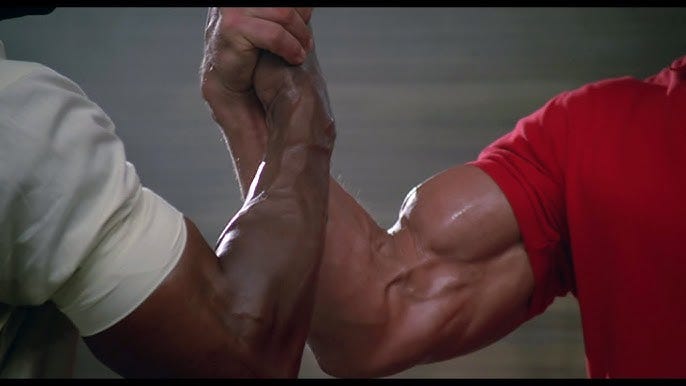
The Bang-Bang bros say it better, describing Predator as “a film that begins as a Reagan-era commando fantasy and ends as something far stranger: An inversion of the frontier myth in which the ‘savage’ turns out to be the most technologically advanced being in the jungle.” Van and Lyle are sharp political analysts and commentators, as well as all around good dudes, so it was a lot of fun chopping it up with them. Give it a listen.
I also wrote a column about how schools should approach teaching students how to use AI. I liken it, perhaps controversially, to harm reduction practices like needle exchange programs. If we must live in a world with AI, then there are things we can do to mitigate its associated harms, but ultimately the best approach is simply to not use.